 Which degree is right for you?
 Master of Public Policy
 Master of Public Affairs
 Doctoral Program
 Undergraduate Programs
 Global and Executive Programs
 Diversity, Equity, Inclusion
 Student Groups
 Alumni
 Directories
 Faculty
 Publications
 Working Papers
 Centers
 News Center

 Employment Stats
 Career Advising
 Career Resources
 Client-based Projects
 For Employers
 About GSPP
 Events
 Make a Gift
 Find a Program
 Find a Faculty Member
 Find a Center
GSPP alum contributes to passage of landmark bill poised to transform gig economy
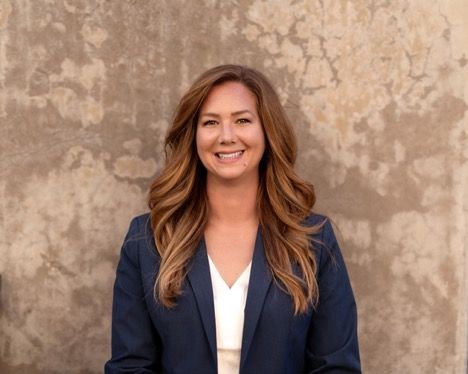
Last month, California passed a landmark bill that would require companies like Uber and Lyft to treat their contract drivers as full employees entitled to benefits and protections such as minimum wages, unemployment insurance, overtime pay, healthcare benefits, and paid parental leave. We sat down with GSPP ‘18 alum Rebecca Stack-Martinez to learn about how her experiences at Goldman contributed to her successful work on the campaign.
You served as Policy Strategist for Gig Workers Rising (of Working Partnerships USA) as the organization lobbied for the successful passage of AB5 – a landmark bill that would require companies like Uber and Lyft to treat their drivers as employees, and could transform the gig economy. What drew you to this work?
While I was attending GSPP, I drove for Lyft and Uber to supplement my income. At first, the gig was great. I could work between my class schedule and juggle the responsibilities of graduate school. The pay was enough to keep us afloat. Besides, it was a temporary gig: I had a full-time position lined up after graduation. Unfortunately, the funding for this position fell through. After graduation, I found myself at square one in the job hunt and began driving rideshare full-time. It was a great way for me to explore all parts of the Bay Area while getting paid. For the most part, the passengers were friendly and I enjoyed meeting new people.
The mileage began to take a toll on my car and the hours were becoming stressful. Several months later, I experienced the first “pay cut” through Uber. I opened an email that said they “valued my time” and were increasing our per minute rate (from $0.11 to $0.33). In the fine print, they also explained that they were decreasing our per-mile rate (from $0.99 to $0.68), but promised this shouldn’t affect our overall earnings. It didn’t take many rides to feel the cut. It was all downhill from there: Lyft followed Uber’s lead and cut their rates; both companies lowered their bonus structures and changed the way they paid surge pricing (two critical streams of revenue for drivers.) I was now working twice my previous hours to make the same amount of money.
There was no one to speak with at Uber or Lyft. I became friends with other drivers and they all had similar stories and grievances. It was a twist of fate when I came across a group on Facebook organizing rideshare drivers and other gig/platform workers, Gig Workers Rising (GWR).
Before coming to GSPP, I was a community organizer and knew that I could lend my skills not only as an organizer but now as someone who understood policy and strategy. I reached out to GWR, and became the second person/driver to join the organization. Our first goal was to encourage more drivers and gig workers to get involved. I worked on organizing drivers, which required an out-of-the-box strategy: there is no directory or common meeting place for rideshare drivers. I visited airport lots to speak with drivers directly. As we grew, we created a team of drivers willing to step into leadership roles. After contributing to creating our list of demands, we began to focus on planning actions/events and generating turnout. We designed our first major action to coincide with Lyft’s IPO investor luncheon. Lyft caught wind and moved the location at the last minute, literally. It was moved with such little notice that many investors still arrived at the original location. Media turnout was great, and people began to take notice.
Around this time, AB5 came into the news. There was talk among members of our organization about how this bill could potentially be a game-changer for those who were falsely classified as independent contractors. While Uber and Lyft had thus far refused to listen to drivers, we suspected that AB5 was the leverage we needed. GWR decided to support AB5 and began strategizing our support for the bill.
How did you contribute to the campaign?
GWR collaborated with another rideshare driver organization in Los Angeles, Rideshare Drivers United, and planned a global day of action to coincide with Uber’s IPO. Their IPO date was not public, so we had to estimate: we chose May 8th a few short weeks in advance and began planning. We reached out to any and all organizations representing rideshare drivers. The global day of action snowballed: We successfully encouraged many cities in the US to participate (Philadelphia, Chicago, Atlanta, New York, LA, San Diego, Boston, Seattle), and even drivers in many other countries (UK, Africa, India, Brazil, Australia.) It is now hailed as the largest day of action of rideshare drivers.
My direct contribution came in the form of stepping up as a leader, unafraid of speaking out against these tech giants, and organizing and educating drivers on how the policy process works: where to put pressure and on whom, and how to continue growing the movement. The knowledge I gained at GSPP helped contribute to the strategy GWR put forth. It was very important for our movement to consider how AB5 would impact the gig economy, including the the pros and cons of potential changes if AB5 were to pass. I drew from my experiences in GSPP’s quantitative and economic core curriculum, along with the eightfold path, to frame our movement. Sharing my knowledge of the legislative process and understanding important milestones for the bill’s movement through the California legislature helped us plan our strategy accordingly.
What work are you engaged in now?
I am still organizing with Gig Workers Rising. While AB5 has passed the legislature and been signed by Gov. Newsom, the fight has just begun. Uber has vowed to keep drivers classified as independent contractors, claiming they are not core to their business. Uber, Lyft, and Doordash have also pledged $90 million for a 2020 ballot initiative. Organizing drivers and continuing to build on this movement – including gaining the right to form a union – will be key to ensuring that drivers get the wages and protections they deserve.
Beyond my work with GWR, I work full-time as a lead policy researcher for Drug Strategies. Last week (Oct 1, 2019) we released a report that has been in the works for over a year: the Fentanyl Epidemic: State Initiatives to Reduce Overdose Deaths. This report takes a look at the third and deadliest wave of the opioid crisis: fentanyl. It looks closely at how the states most impacted are addressing the crisis and informs recommendations for other states to adopt.
What do you like to do when you aren't busy organizing for workers' rights or helping to solve the fentanyl crisis?
While I attended GSPP, my husband, Neiser was still living in Puerto Escondido, Mexico (where I met him) while we were waiting out the immigration process. Neiser finally received his visa at the end of 2017 and was able to join me in Berkeley. The Bay Area is fairly new to both of us. After graduating from GSPP we moved to San Francisco. In my free time, I enjoy exploring the Bay Area with my husband, Neiser, and my dog Duke. On the weekends we like to explore the city, and try out a new restaurant or new local craft beer. We go to Fort Funston every weekend with Duke. I also now have a patio where have a small garden to grow herbs such as basil, rosemary, sage, chives, oregano, and a few Mexican herbs: herba santa and epazote. I also grow heirloom tomatoes, bell peppers, and of course jalapenos. Gardening was always a big hobby of mine before I moved out here so I am happy to get my hands in the dirt a little, even if it is only a potted plant!